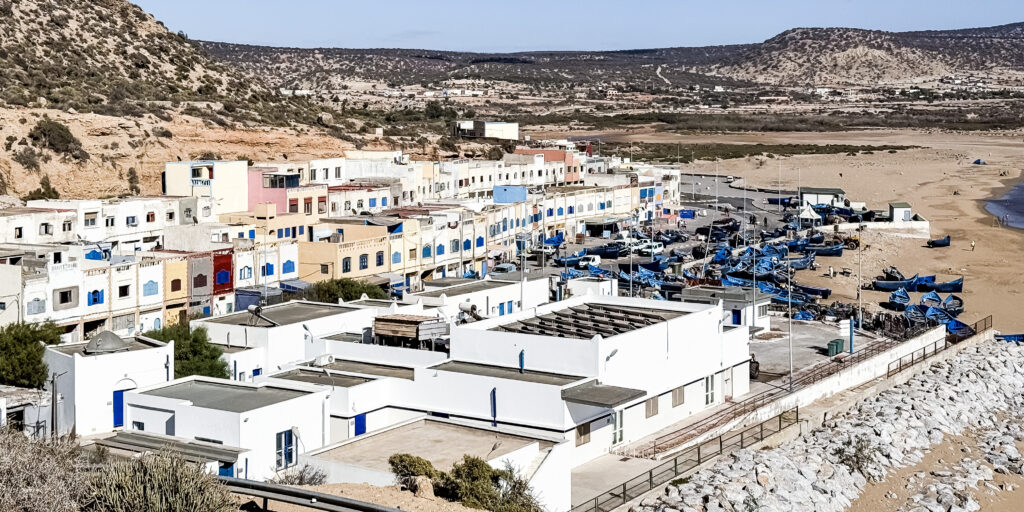
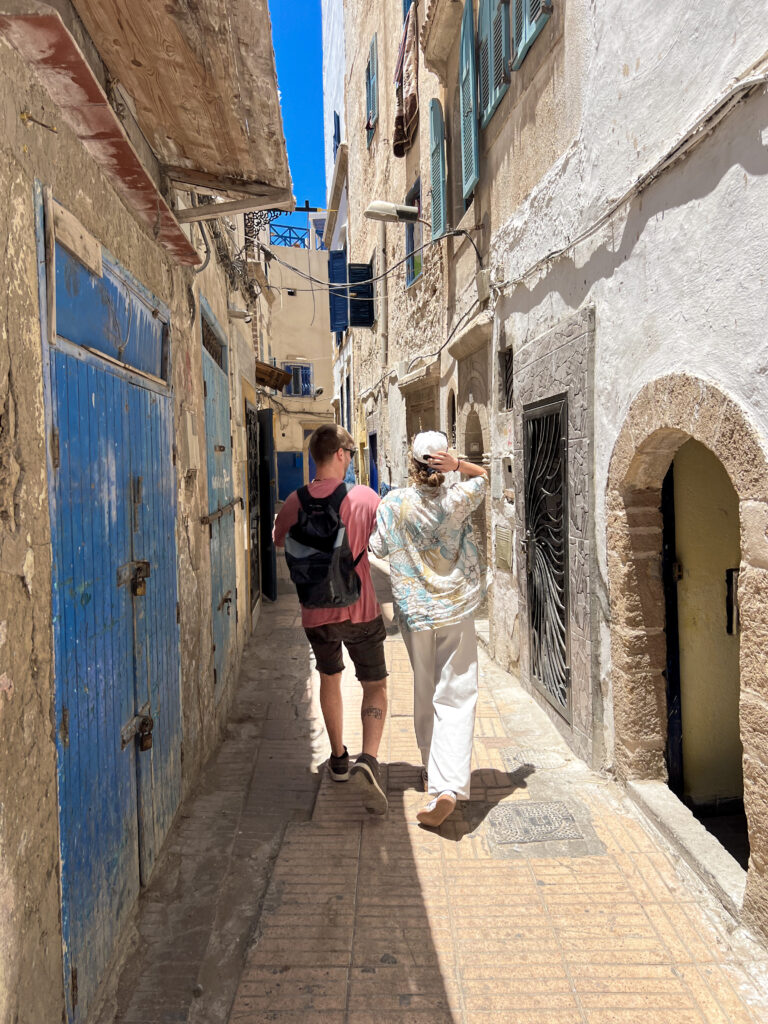
Morocco is a North African gem, bordering the Atlantic Ocean and the Mediterranean Sea. Think ancient history, vibrant culture, breathtaking landscapes (Sahara Desert to Atlas Mountains!), and delicious cuisine. It’s a land of contrasts, where bustling cities seamlessly blend with tranquil villages.
The Moroccan government has a handy tool on their website to check if you need a visa for your stay, and what the requirements would be.
Make sure to check it before travelling to Morocco.
Most nationalities don’t need a visa for stays under 90 days. You can get a free visa upon arrival. You just need a valid passport, with at least 6 months left. The douane officials can ask you the following questions upon arrival in Morocco:
The address of your Hostel/ Hotel/ Accommodation
The length and plans of your Stay
Your occupation
Culture
Morocco is a Muslim-majority country with a rich tapestry of Arab, Berber, and European influences. A Respectful dresscode is appreciated, especially when visiting religious sites and restaurants. Modesty is key – think loose-fitting clothing that covers shoulders and knees.
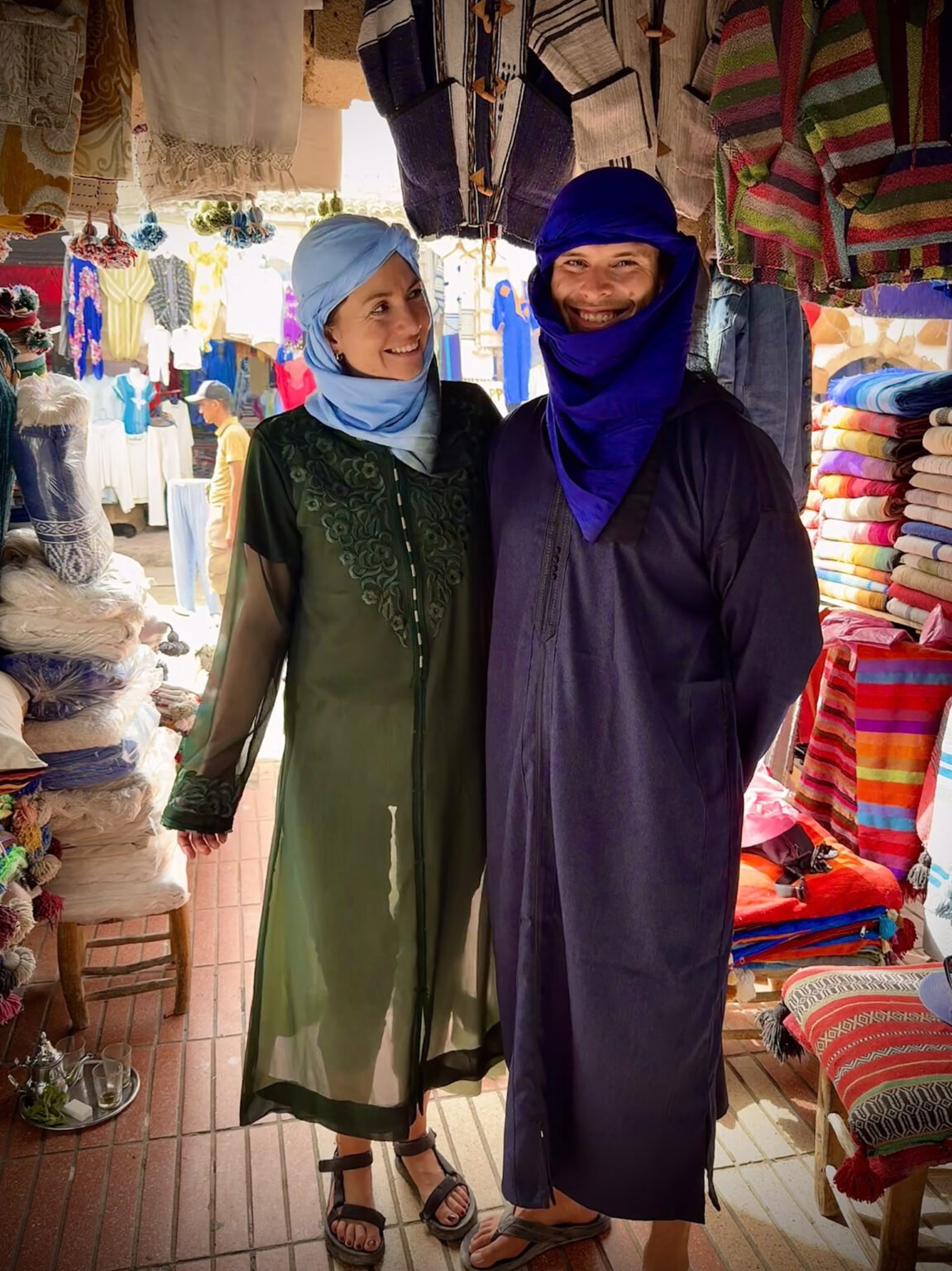
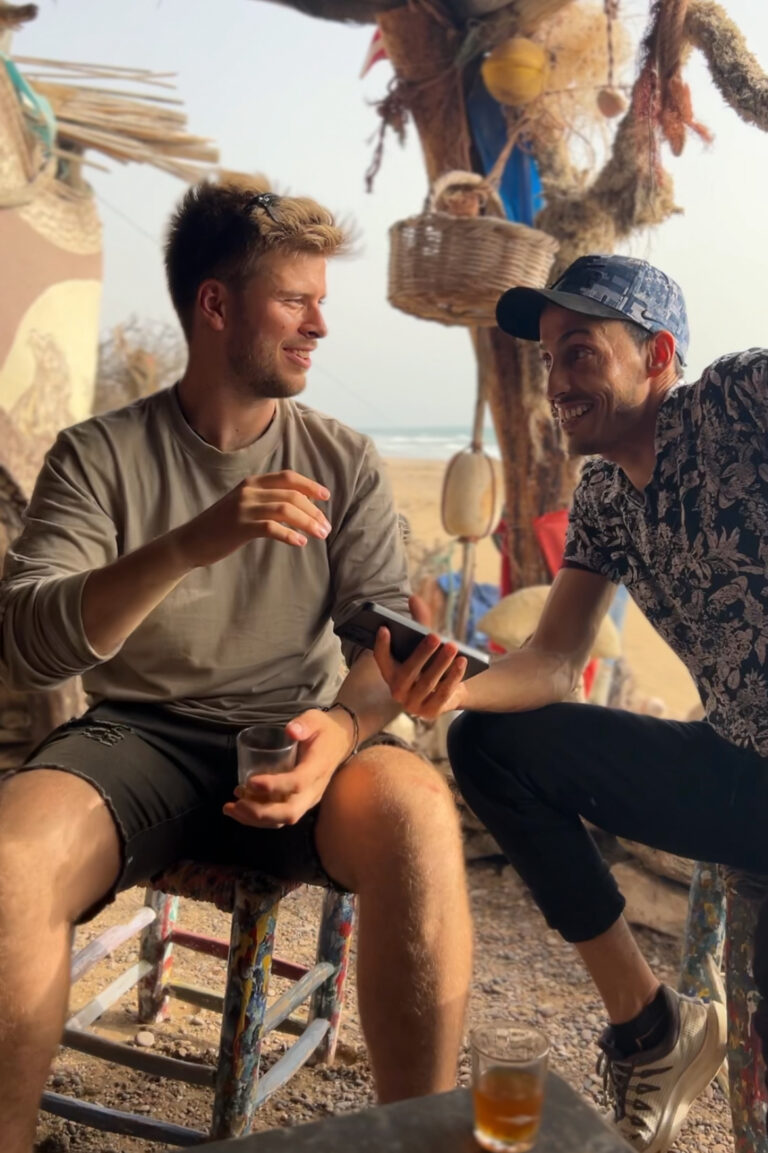
Maxime made sure to always cover her knees to respect our colleagues. During our volunteering we had multiple groups of girls arriving in the restaurant in their bikini tops. Both our colleagues and other guests could not appreciate this. Unfortunately we even had guests leaving for this reason. So be respectful to the local culture and dress appropriately.
p.s.: Don’t worry, you don’t have to dress like us on the picture 😉 just your normal clothes will do.
Language
The official languages in Morocco are Arabic and Berber. However, French is widely spoken, particularly in tourist areas. But English will also get you through your travels in Morocco.
We recommend downloading Arabic, French and your own language in Google Translate.
Currency
The Moroccan Dirham (MAD) is the local currency. ATMs are available in major cities. We recommend using travel creditcards to get cash in Morocco.
Check our page about money to find out more about the travel creditcards we use:
Card payment is possible in some places but especially in rural areas you need Cash.
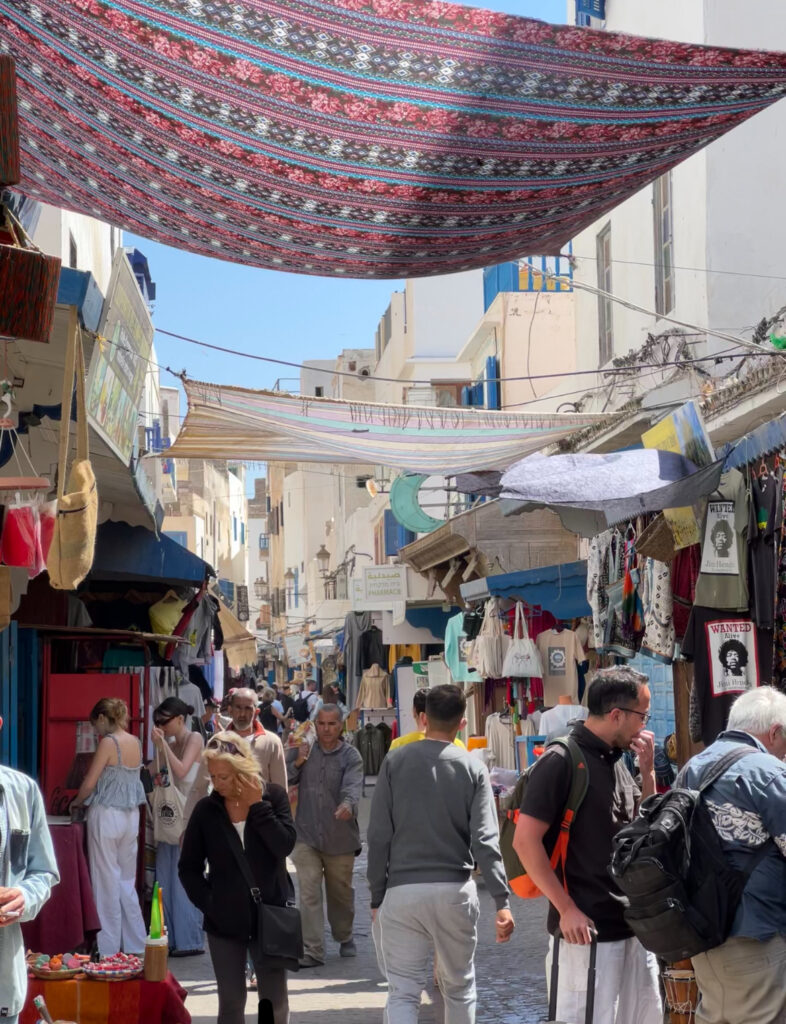
Bargaining: Bargaining and trying to get a lower price is quite normal in Morocco. Especially in souks (markets) and in the medina. It’s part of the fun! Be polite and respectful during the process.
Since we find it hard to start bargaining (we’re not pro’s yet), we often show we don’t have interest in the first price. In a lot of cases they go down themselves and from there on we find it easier to talk about a price.
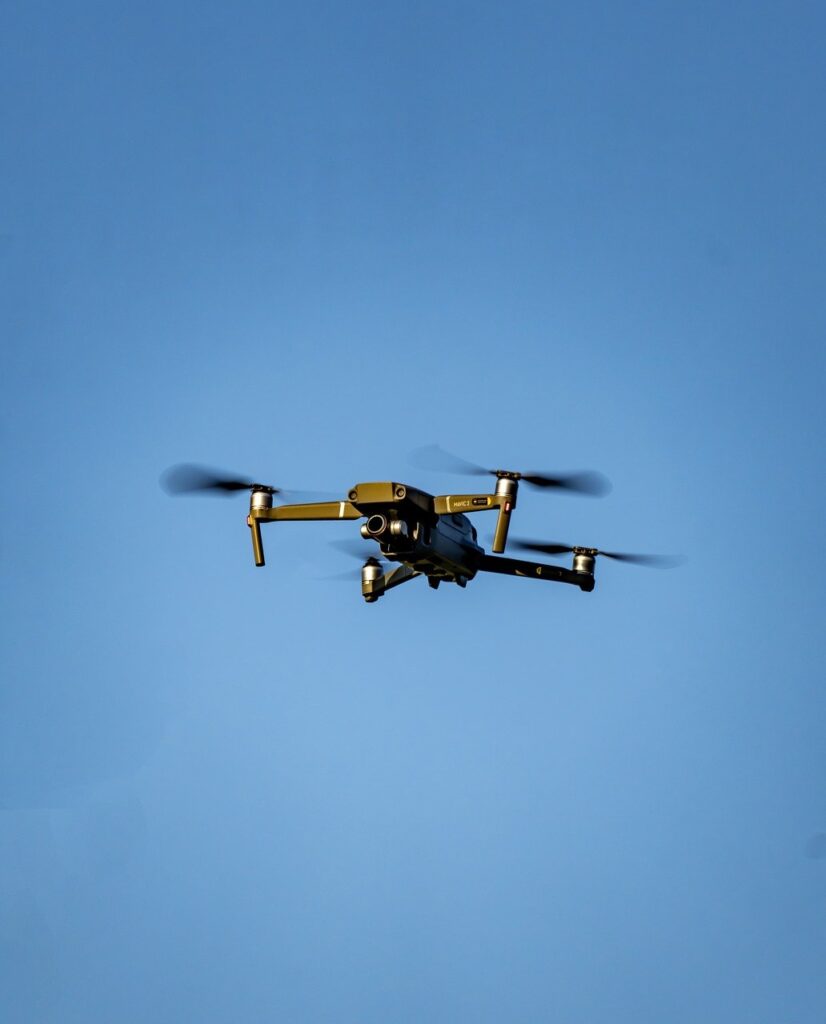
Leave your drone at home!
Drones have been illegal for private use in Morocco since at least March 2015. Bringing one into the country without declaring it will result in it being seized by the customs and you WILL NOT be able to get it back. If you DO declare the drone before entering Morocco, the customs will hold it at the airport and you will be able to pick it up on the way out of the country.
Get a Moroccan simcard
Get your Moroccon number
Sim Cards are available at Airports or in small local shops. From 2 GB of Data to 50 GB, you can pick whatever fits best for your trip.
Top 3 Providers
Maroc Telecom: This is the largest mobile operator in Morocco and boasts the widest network coverage, especially in remote areas. They offer a variety of prepaid plans for data, voice, and text. However, they might not be the cheapest option.
Orange Morocco: Another reliable network with good coverage in cities and major tourist areas. Orange offers competitive prepaid plans with a user-friendly interface (sometimes available in English).
INWI: This is a growing operator known for offering budget-friendly prepaid plans, particularly for data. However, their network coverage might be slightly less extensive compared to Maroc Telecom and Orange, especially in rural areas.